

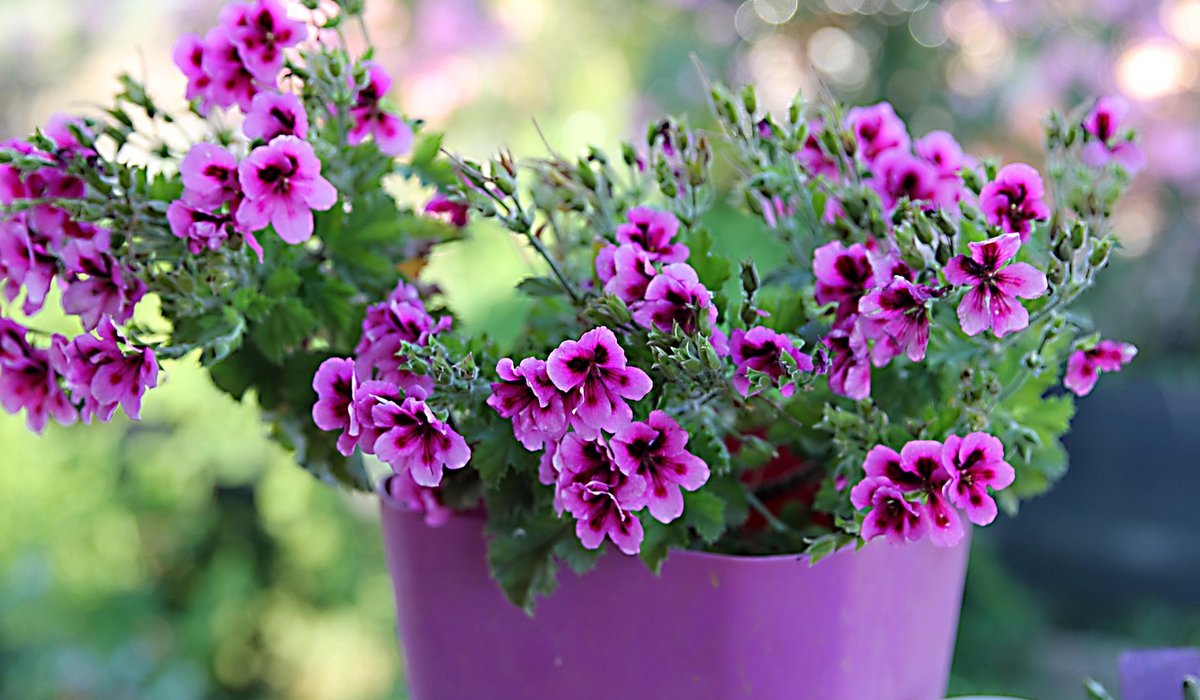
Seasonal Guide to Planting Bulbs for Spring Colour
There is something quietly hopeful about planting bulbs in autumn. The soil is still warm, the air is turning crisp, and you are tucking away a promise of colour for the months when the garden needs it most. Whether you have a generous border, a small courtyard or just a few pots by the door, a little planning now will reward you with a spring display that lifts the spirits and supports early pollinators.
Getting the Timing and Soil Right
Spring bulbs are best planted from late September through November, while the ground remains workable. Tulips can go in as late as early December, but daffodils, crocuses and snowdrops benefit from an earlier start so they can establish roots before the hardest frosts. Choose a spot that drains well — bulbs loathe sitting in cold, soggy soil. If your soil is heavy clay, fork in plenty of well-rotted organic matter and a handful of horticultural grit. For pots, use a peat-free multipurpose compost mixed with grit to improve drainage.
Before planting, clear weeds and loosen the top 20 to 30 centimetres of soil. A light sprinkle of balanced fertiliser worked into the bottom of the planting hole will feed the bulbs as they root, but avoid fresh manure, which can burn them. If you garden on chalk or sandy soil, add compost to help retain moisture without waterlogging.
Choosing Hardy Bulbs for Reliable Colour
Hardy bulbs are the backbone of a sustainable spring garden. They naturalise, meaning they come back year after year with little fuss. Look for varieties described as reliable, weather-resistant and good for naturalising. Daffodils such as Narcissus 'Tête-à-Tête' and 'Thalia' are superb for borders and pots. Tulips like 'Spring Green' and 'Purissima' offer elegant form, though many tulips prefer a drier summer rest, so treat them as short-lived in wet soils. Crocuses, grape hyacinths and snowdrops bring early nectar for bees. Alliums extend the show into late spring and early summer, bridging the gap before perennials take over.
When buying, choose firm, plump bulbs with no signs of mould or softness. Smaller bulbs are not necessarily poor value — crocus and snowdrop corms are naturally tiny — but avoid anything shrivelled. Native and near-native species often settle in better than highly bred exhibition varieties, and they need less watering and feeding.
How Deep and How Far Apart to Plant
The golden rule is to plant bulbs at roughly two to three times their own height. That means small crocus corms go in about 5 to 8 centimetres deep, daffodils 10 to 15 centimetres, and large tulips 15 to 20 centimetres. In light sandy soil, go a little deeper; in heavy clay, slightly shallower. Space them about two to three bulb widths apart so they have room to grow without crowding. For a natural look in borders, scatter a handful and plant them where they land rather than in strict rows.
- Use a bulb planter or trowel to make individual holes, or dig a broad trench for groups.
- Set bulbs with the pointed end upwards and the flat base — where roots emerge — downwards.
- Backfill gently, firm the soil and water well to settle it around the bulbs.
- Mark the area with a discreet label or small sticks so you do not accidentally dig them up later.
Layering Pots for a Long-Lasting Display
Container gardening gives you complete control over soil, drainage and timing. The technique of layering — often called lasagne planting — lets you pack a single pot with several bulbs that flower in succession. Start with the largest, latest-flowering bulbs at the bottom: tulips or large daffodils, planted about 15 centimetres deep. Cover with 2 to 3 centimetres of compost, then add a middle layer of hyacinths or medium daffodils. Add another thin layer of compost, then finish with small early bulbs such as crocus, snowdrops or grape hyacinths just below the surface. Top with compost, leaving a 2-centimetre gap below the rim for watering.
Use a pot at least 30 centimetres deep and wide for a good show. Place it in a cool, sheltered spot away from direct winter sun, and water sparingly until growth appears. Once shoots emerge, move the pot to a brighter position and water regularly. After flowering, deadhead but leave the foliage to die back naturally — this feeds the bulbs for next year. You can then plant the pot out into the border or keep it for another season.
Naturalising and Sustainable Aftercare
The most sustainable approach is to let bulbs naturalise in grass or among perennials. Daffodils, snowdrops and crocuses work beautifully in rough lawn, especially if you delay mowing until the leaves have yellowed — usually about six weeks after flowering. This allows the bulb to store energy for the following spring. In borders, pair bulbs with herbaceous perennials that will grow up and hide the fading foliage. Avoid cutting, tying or braiding leaves; let them photosynthesise freely.
Feed established clumps with a low-nitrogen, high-potash fertiliser just as the flowers fade. Every few years, lift and divide crowded clumps when they stop flowering well, replanting the largest bulbs and giving the smaller ones away. This keeps your display vigorous without buying new stock. By choosing hardy, naturalising bulbs and caring for them properly, you create a spring garden that is not only beautiful but genuinely sustainable — season after season.


Home
-
Harvest mint, chamomile, lemon balm and sage to dry for soothing teas that use fresh garden ingredients and simple kitchen tools.


Kitchen




-

Long established fact that a reader will be distracted
-

Long established fact that a reader will be distracted
-

Long established fact that a reader will be distracted




Garden
Karla Gleichauf
12 May 2017 at 05:28 pm
On the other hand, we denounce with righteous indignation and dislike men who are so beguiled and demoralized by the charms of pleasure of the moment
M Shyamalan
12 May 2017 at 05:28 pm
On the other hand, we denounce with righteous indignation and dislike men who are so beguiled and demoralized by the charms of pleasure of the moment
Liz Montano
12 May 2017 at 05:28 pm
On the other hand, we denounce with righteous indignation and dislike men who are so beguiled and demoralized by the charms of pleasure of the moment