

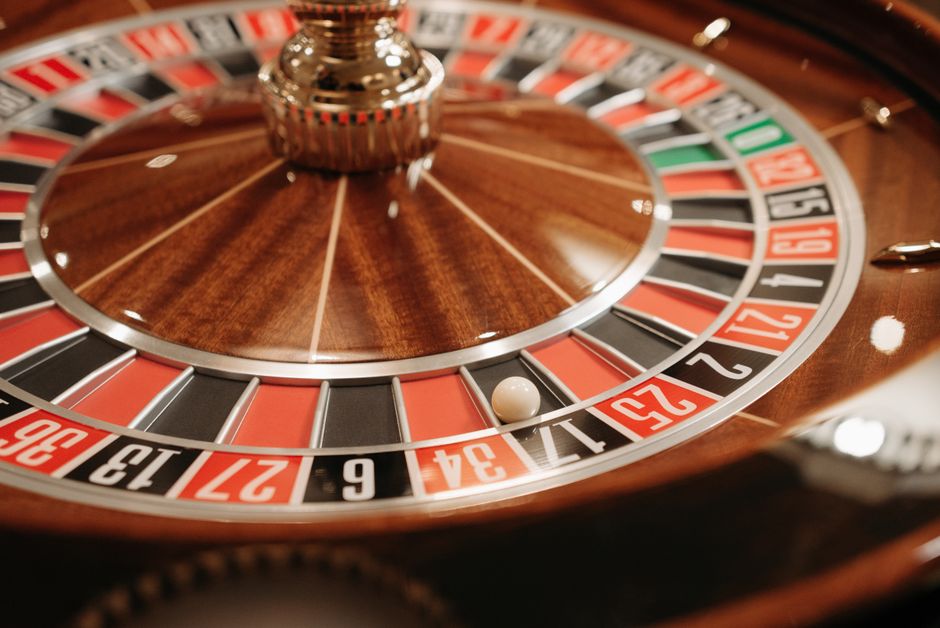
Slots, Poker, and the Real Math Behind iGaming Wins
Most people who lose money in online casinos don't lose because they're unlucky. They lose because they never learned the difference between a game where skill changes the outcome and a game where it can't. That single misunderstanding costs casual players more than any bad beat ever will. If you're going to put real money on slots, tables, or a poker hand, you owe it to yourself to understand what you're actually up against.
Slots: The Simplest Game With the Most Misunderstood Math
Slots are pure chance. No amount of tapping the screen at the right moment, no "hot" machine, no pattern in the reels changes your odds. What actually matters is the Return to Player (RTP) percentage and the volatility of the game.
Take a slot with a 96% RTP. Over millions of spins, that machine pays back 96 cents for every dollar wagered. The remaining 4% is the house edge, and it's how the casino stays in business. A game at 94% RTP might not sound much worse, but across 1,000 spins at $1 each, you're looking at an expected loss of $60 instead of $40. That gap compounds fast.
Volatility is the other half of the equation. High-volatility slots pay rarely but in bigger chunks. Low-volatility slots pay often but in smaller amounts. Neither is "better" in a mathematical sense, but they suit different bankrolls and temperaments. If you have a $50 budget, a high-volatility slot might eat it in twenty spins without a single return. A low-volatility game will stretch that same $50 much further.
- RTP matters: Stick to games above 96% when you have the choice.
- Volatility matters more for short sessions: Match it to your bankroll size.
- Ignore "near miss" psychology: A jackpot symbol one reel away has zero bearing on your next spin.
- Set a loss limit before you start: This is the only true control you have.
Table Games: Where the House Edge Actually Shrinks
If you want the best odds in a casino, you leave the slot floor. Blackjack played with basic strategy carries a house edge as low as 0.5%. Baccarat's banker bet sits around 1.06%. Even European roulette, with its single zero, only gives the house a 2.7% edge. Compare that to a typical slot at 4% and it's not close.
The catch is that blackjack's edge assumes you play perfectly, and most people don't. Hitting on 16 against a dealer's 10, splitting tens, taking insurance when you shouldn't. Each mistake adds a fraction of a percent to the house edge, and over hundreds of hands, those fractions add up.
If blackjack's memorization curve feels steep, baccarat is a gentler entry point. There's no decision to make beyond which of three bets to place, and the banker bet wins slightly more often than the player bet because of the drawing rules. The banker bet charges a 5% commission on wins, but it's still the mathematically smarter choice.
A Quick Comparison of Common House Edges
- Blackjack (basic strategy): 0.5%
- Baccarat (banker bet): 1.06%
- European roulette: 2.7%
- American roulette: 5.26%
- Typical video slot: 4% to 8%
Notice that American roulette, with its double zero, is nearly twice as punishing as the European version. That single green slot is worth real money over a session. If you have the choice, always pick the single-zero wheel.
Poker Is the One Game Where You Play the Player
Poker is different from every other game in the building because you're not betting against the house. You're betting against the other people at the table. The casino takes a rake, usually a small percentage of each pot, but your actual edge comes from outplaying opponents, not from beating the dealer. keonhacaii5.com.co covers this in more detail.
This is why poker is the only iGaming discipline where long-term profit is realistic for a skilled player. In slots, the math guarantees you lose over time. In poker, if you consistently make better decisions than the people across from you, you win. It's that simple, and that hard.
What separates winning poker players from losing ones isn't card luck. It's range thinking. Beginners fixate on their own two cards. Winners think in ranges, asking what combinations of hands an opponent could realistically hold given how they've bet. That mental shift is the single biggest leap in the game.
- Position is power: Acting last gives you more information and more options.
- Bankroll management is non-negotiable: Never sit with more than 5% of your roll in a cash game.
- Track your results: Memory lies. Spreadsheets don't.
- Move up slowly: Beating a $0.10/$0.25 game doesn't mean you belong at $1/$2.
The Bonuses That Actually Help You
Welcome bonuses and free spins are marketing, but some are genuinely useful if you read the terms. The number that matters is the wagering requirement, usually written as something like 35x. That means you have to bet the bonus amount 35 times before you can withdraw anything from it.
A $100 bonus with a 35x requirement means you need to wager $3,500. On a slot with a 4% house edge, that's an expected loss of $140. If you deposited $100 to get that bonus, you're looking at roughly a $40 net loss on average before you even cash out. Some bonuses are still worth it. Many aren't. Do the math before you claim anything.
Also check the maximum bet allowed while clearing a bonus. Casinos often cap it at $5 per spin, and exceeding that can void your entire bonus balance. Players get burned by this constantly because it's buried in the fine print.
What Separates Winners From Everyone Else
Nobody beats the house at slots. That's not a cynical take, it's arithmetic. The games are designed so that the casino profits over time, and no strategy changes that. What you can control is how long your money lasts, how much entertainment you get per dollar, and whether you walk away when you said you would.
Poker and skilled table games are the exceptions where a disciplined player can genuinely hold an edge. But that edge is small, requires real study, and demands emotional control that most people simply don't have when they're tired, tilted, or chasing losses.
The honest truth about iGaming is that it's entertainment first and foremost. If you treat slots as a night out with a fixed cost, you'll be fine. If you treat any of it as a reliable income stream, the math will eventually find you. The players who stick around and stay happy are the ones who never confused the two.


Home
-
Turn old tins, crates and jars into productive herb planters for windowsills, patios and small gardens with minimal cost and effort.

Kitchen




-

Long established fact that a reader will be distracted
-

Long established fact that a reader will be distracted
-

Long established fact that a reader will be distracted



Garden
Karla Gleichauf
12 May 2017 at 05:28 pm
On the other hand, we denounce with righteous indignation and dislike men who are so beguiled and demoralized by the charms of pleasure of the moment
M Shyamalan
12 May 2017 at 05:28 pm
On the other hand, we denounce with righteous indignation and dislike men who are so beguiled and demoralized by the charms of pleasure of the moment
Liz Montano
12 May 2017 at 05:28 pm
On the other hand, we denounce with righteous indignation and dislike men who are so beguiled and demoralized by the charms of pleasure of the moment